Thermo-Mool
थर्मो-मूल
From Agricultural Waste to Strategic Advantage
The world's first biodegradable thermocol made from crop stubble and mycelium — matching EPS performance while eliminating plastic, regulatory risk, and environmental damage.
~2000
Years EPS lasts
vs Weeks for ours
Zero
Toxic emissions
100% compostable
$24B
Market by 2030
6.09%
CAGR Growth
100%
Compostable
0
Toxicity
Who We Are
Reimagining Thermocol
Thermo-Mool is a biodegradable thermocol alternative manufactured from agricultural waste and mycelium, delivering comparable insulation and cushioning while eliminating plastic, regulatory, and ESG risks.
Our Vision
To transform agricultural waste into valuable, eco-friendly thermocol products and become a trusted global partner for brands committed to sustainability — helping eliminate plastic-based thermocol and reduce air pollution caused by crop stubble burning.
Our Mission
To manufacture high-quality biodegradable thermocol using agricultural crop stubble, providing sustainable packaging and insulation solutions to premium eco-conscious brands and mass-market industries while actively reducing environmental pollution.
Our Edge
For an established thermocol producer, Thermo-Mool represents future-proofing the core business — not disrupting it. We enable a regulation-proof growth engine in sustainable materials alongside existing operations.
Uttishthati Foundation i-TBI
Incubated at NIT Hamirpur · Supported by DST, Govt. of India
The Problem
Plastic Thermocol is a Crisis
EPS thermocol is a planetary liability. Regulations are tightening, clients are demanding change, and the window for action is closing fast.
~2000
years
EPS thermocol takes ~2000 years to decompose, leaching toxins into soil and water throughout.
23M
tonnes
Tonnes of crop stubble are burned in India annually, causing catastrophic air pollution and health crises.
High
risk
Rising plastic bans and ESG mandates put EPS-dependent businesses at severe regulatory and reputational risk.
$24B
market
The global thermocol market is shifting. Brands without sustainable alternatives will lose contracts to compliant competitors.
The Solution
Thermo-Mool turns the problem into profit
By converting crop stubble into high-performance biodegradable thermocol, we eliminate waste, unlock new revenue streams, and make your business regulation-proof — all at once.
Explore the Product ↓The Product
See Thermo-Mool In Action
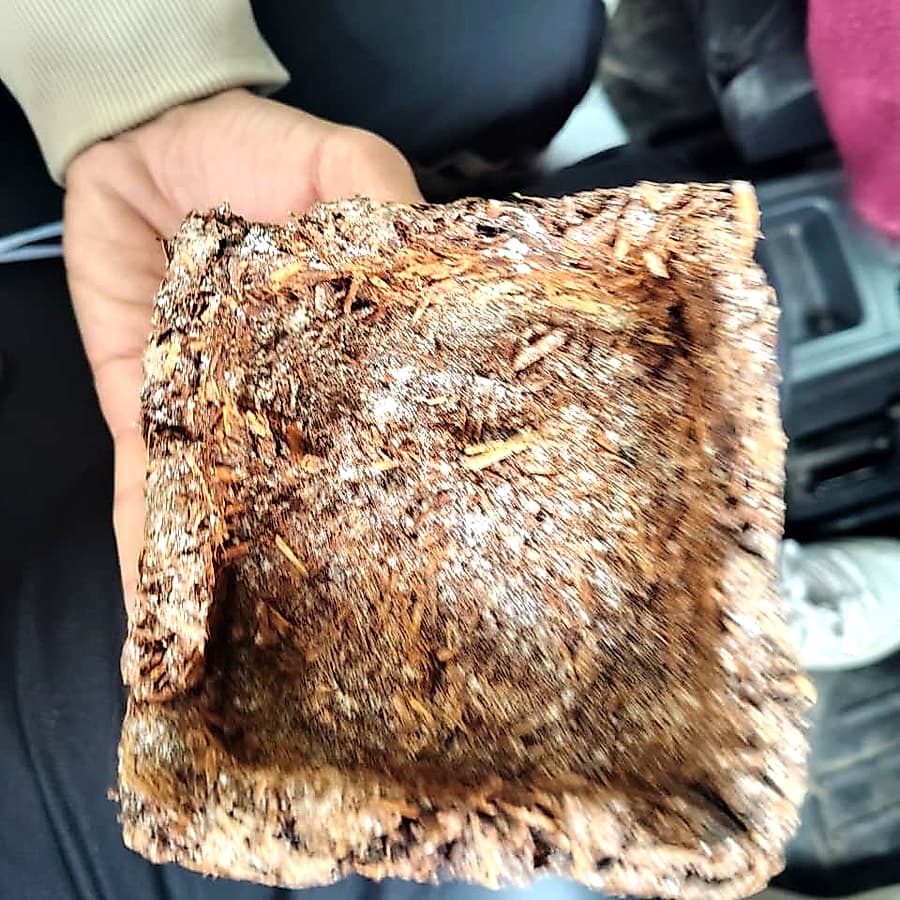
Real prototypes — from raw agricultural husk to mycelium-bound packaging blocks ready for commercial use.
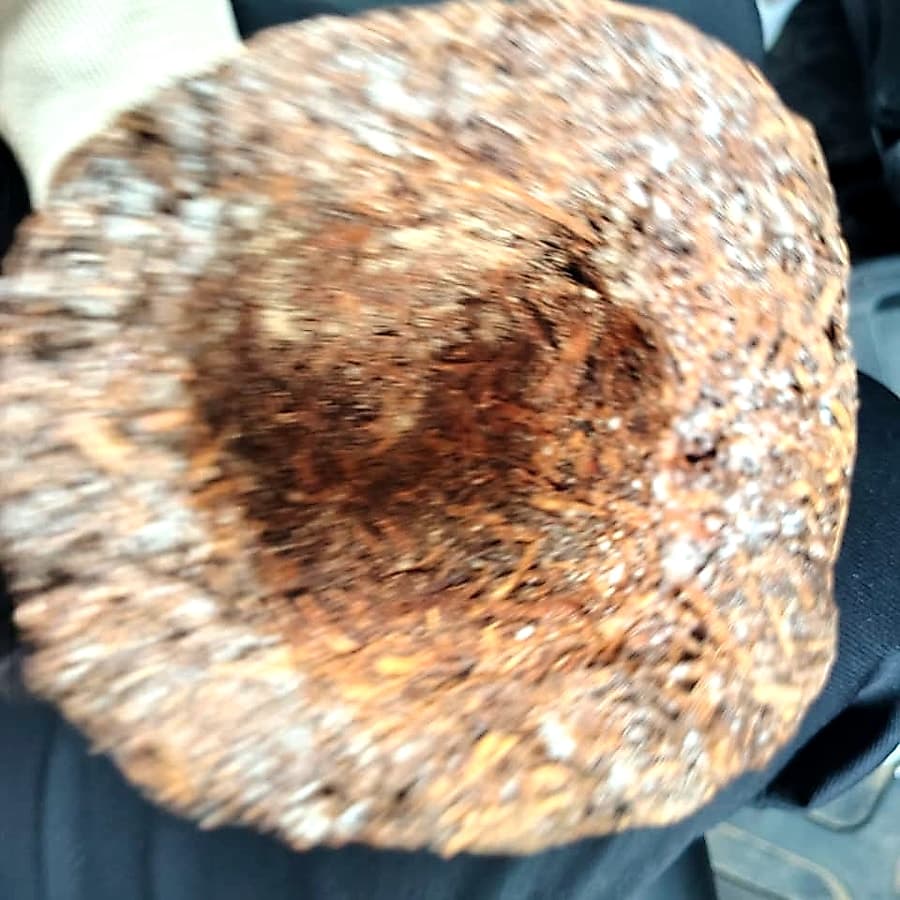
Mycelium Block
Top view showing natural mycelium network formation
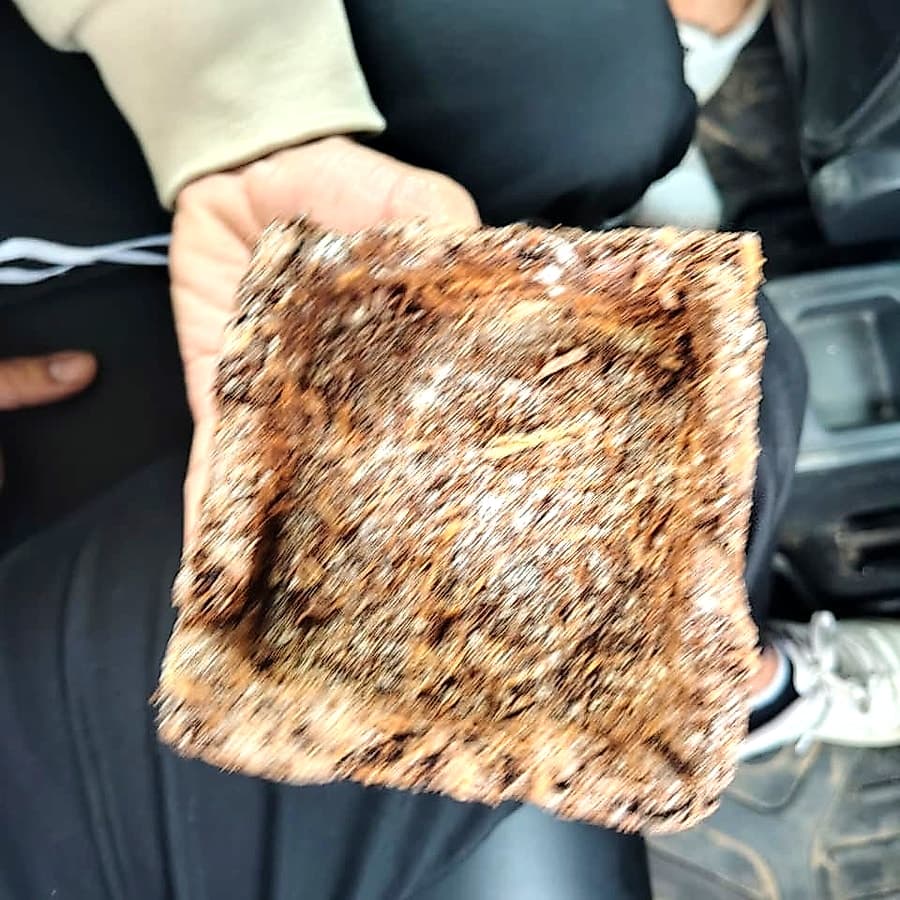
Husk Composite Block
Agricultural crop stubble compressed into packaging form
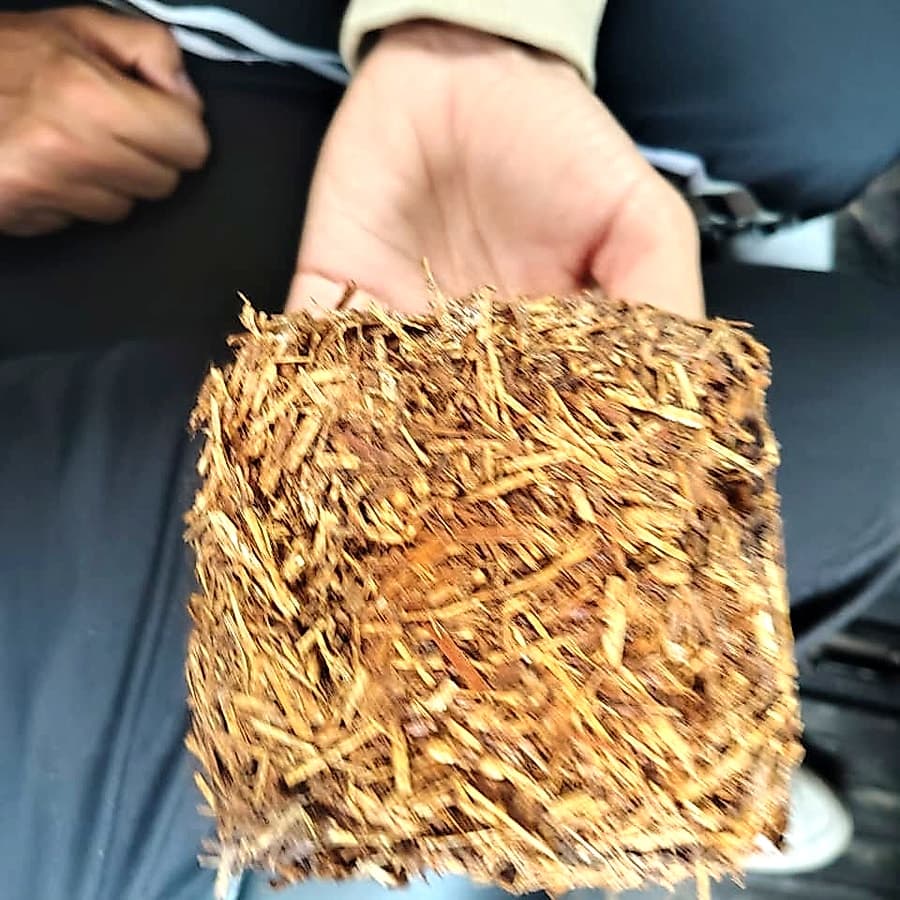
Prototype Block
Early prototype demonstrating structural integrity
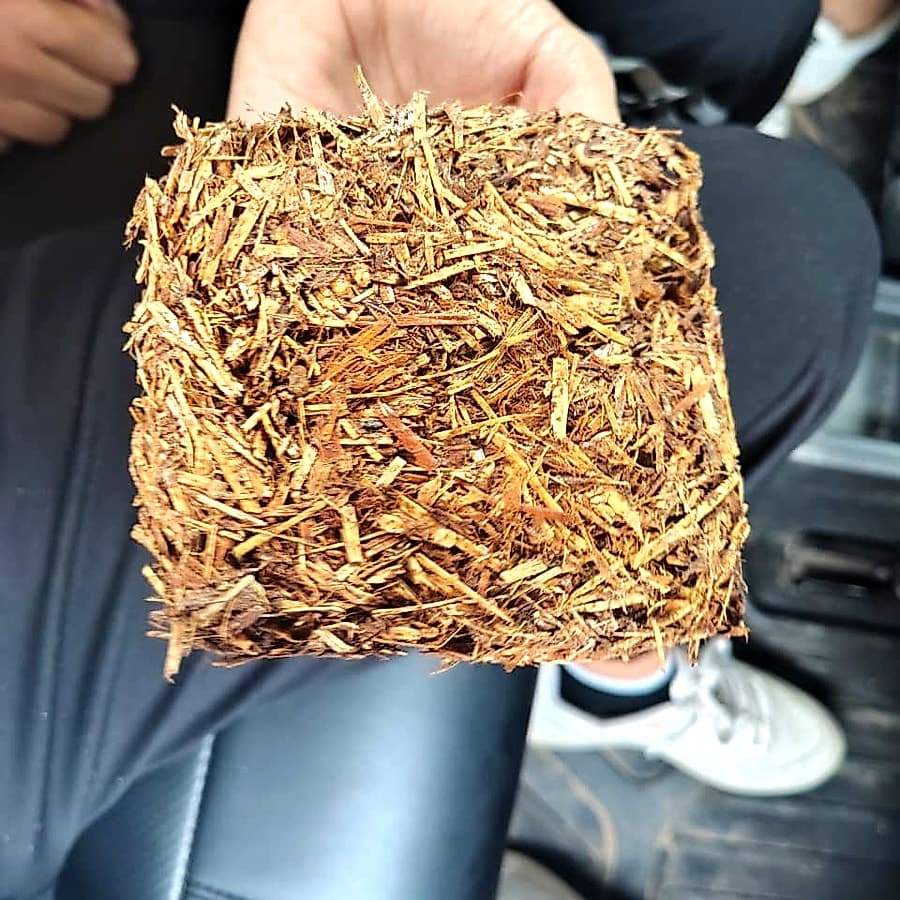
Husk Slab
High-density slab format for insulation applications
Mycelium Bound
Mycelium acts as a natural bio-binder, replacing synthetic glue
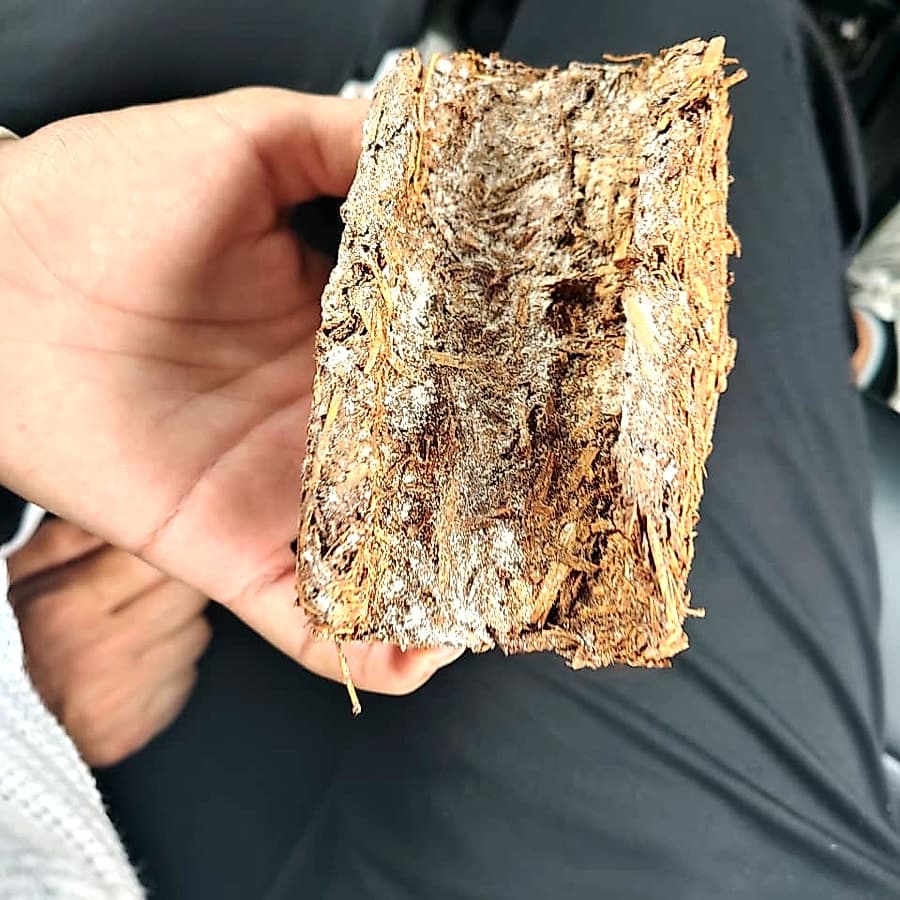
Final Prototype
Refined prototype ready for commercial validation
Head to Head
Thermo-Mool vs EPS Thermocol
Every metric that matters — side by side.
Conventional
Our Solution
Comparable insulation performance with zero environmental and regulatory liability.
Pilot Scale Cost
₹280–₹410
per kg
At Scale Cost
₹230–₹300
per kg · reducible further
How It's Made
Manufacturing Process
A 7-step process that transforms worthless crop stubble into high-performance biodegradable packaging — nature doing the heavy lifting.
01
Collection of Husk
Crop stubble and agricultural waste (rice/wheat husk) is collected from farms, diverting it from burning.
02
Chopping & Preparation
The husk is chopped to a uniform size, cleaned, and sterilized to create an optimal mycelium growth substrate.
03
Mycelium Inoculation
Mushroom mycelium spawn is mixed into the prepared husk. The mycelium grows and naturally binds the fibers together.
04
Semi-Solid Formation
As mycelium colonizes, the mixture forms a dense semi-solid mass with the structural properties of thermocol.
05
Molding
The mycelium-husk composite is packed into custom molds to achieve the desired shape for packaging applications.
06
Baking & Curing
Molds are heat-cured to deactivate the mycelium and lock in the final structure, ensuring dimensional stability.
07
Final Product
The finished biodegradable packaging block — ready for use. At end-of-life, it composts in weeks.
Market Opportunity
A $24 Billion Green Revolution
The global thermocol packaging market is on a 6.09% CAGR trajectory — and Thermo-Mool is positioned at its sustainable core.
$24.03B
Market size by 2030
Source: Zion Market Research
6.09%
Compound Annual Growth Rate
2021–2030 forecast
First
Mover Advantage
In India's green thermocol space
Target Segments
E-Commerce & FMCG
Existing thermocol buyers across electronics, appliances, FMCG, and cold-chain logistics — the largest volume segment.
~40% of market
Government & Institutional
Public sector organizations with sustainable packaging mandates and increasing procurement requirements.
~25% of market
Premium Green Brands
Global luxury and consumer electronics brands with strong ESG positioning seeking plastic-free, compostable packaging.
~20% of market
Manufacturing Licensing
Other thermocol manufacturers, packaging plants near agricultural belts seeking fast regulatory compliance.
~15% of market
Our Impact Goals
Supply biodegradable thermocol to premium eco-brands
Mass-produce at affordable costs for widespread adoption
Utilize crop stubble, preventing seasonal burning
Replace plastic thermocol with biodegradable alternatives
Reduce carbon footprint via circular economy
Support farmers by monetizing agricultural waste
Get In Touch
Let's Build a Greener Future
Whether you're a brand, investor, manufacturer, or partner — we'd love to talk.
Contact Details
Incubated at
Uttishthati Foundation i-TBI
NIT Hamirpur, Himachal Pradesh (H.P.)
An I-TBI Incubator supported by DST, Govt. of India